Easy ways to report a foreign gift and be compliant with regulations
Understanding the Kinds Of International Gifts: Just How to Successfully Report Them
Understanding foreign presents is crucial for organizations traversing complex coverage requirements (report a foreign gift). These presents can differ substantially, falling under non-monetary and monetary categories. Each type provides one-of-a-kind obstacles in assessment and compliance. Organizations has to recognize the honest and lawful implications entailed. Effective monitoring and reporting demand clear standards and normal training. The inquiry stays: exactly how can organizations guarantee they satisfy these commitments while preserving openness and liability?
Definition and Review of Foreign Presents
Foreign presents are items or benefits received from foreign entities, which can include federal governments, people, or companies. These gifts may take different types, consisting of tangible products, services, or various other types helpful that hold value. The significance of international presents usually copyrights on their potential to influence relationships in between countries, companies, or people. They can be a means of diplomacy, revealing goodwill or promoting collaboration. The acceptance of such presents elevates legal and moral considerations, specifically relating to transparency and prospective conflicts of interest. Receivers need to browse intricate regulations that regulate the reporting and approval of foreign presents, making sure compliance with both residential and international legislations. Comprehending the interpretation and ramifications of international gifts is important for people and organizations to maintain stability and accountability in their ventures with international entities. This foundational knowledge sets the phase for a much deeper exploration of the various sorts of international presents and their reporting demands.
Types of International Gifts: Monetary vs. Non-Monetary
Gifts from abroad can be categorized into 2 main kinds: monetary and non-monetary. Monetary presents encompass straight financial payments, such as cash or checks, which can greatly affect the recipient's financial standing. These gifts are typically straightforward to value and record, as they entail clear financial amounts.
Non-monetary gifts, on the other hand, consist of substantial items such as garments, art work, or souvenirs, in addition to abstract offerings like experiences or services. While these gifts may not have a direct monetary influence, they can hold significant sentimental or social worth. Valuing non-monetary presents can be a lot more complicated, as it usually calls for examining the thing's market worth or significance to the recipient. Comprehending these 2 classifications is necessary for exact coverage, ensuring compliance with laws preserving and concerning foreign gifts transparency in monetary transactions.
Moral and lawful Ramifications of Receiving Foreign Present
While the attraction of obtaining presents from abroad might appear harmless, the moral and lawful ramifications connected with such purchases can be substantial. Receivers should navigate complicated policies that govern the approval of international presents, as failure to do so may lead to lawful repercussions, including fines or permissions. Morally, the acceptance of presents from international entities can result in understandings of preference or disputes of rate of interest, specifically for people ready of power or public count on. Such perceptions can weaken the integrity of institutions and wear down public confidence. Additionally, the possibility for foreign influence elevates worries relating to national safety and security and the honesty of decision-making procedures. Because of this, people need to thoroughly take into consideration not only the legality of approving foreign presents but additionally the broader ramifications on their credibilities and the institutions they represent. Ultimately, thoughtful consideration is crucial to preserve both lawful compliance and ethical criteria.
Reporting Requirements for Foreign Presents

Comprehending the coverage requirements connected with getting international gifts is vital for individuals in various sectors, particularly those in federal government and public solution. These requirements are developed to advertise transparency and look at more info stop problems of passion. Normally, recipients must report any international gifts exceeding a specified monetary threshold, which varies by jurisdiction.
Documentation is important, as recipients should give information such as the worth, nature, and resource of the present, along with the date it was received. Many organizations need recipients to submit their reports within an assigned timeframe, commonly within thirty day of receipt.

Failure to abide by these reporting obligations can lead to severe consequences, including lawful penalties and damage to one's expert track record. Consequently, understanding the certain guidelines applicable to one's placement and territory is important for ensuring conformity and keeping honest criteria in public solution.
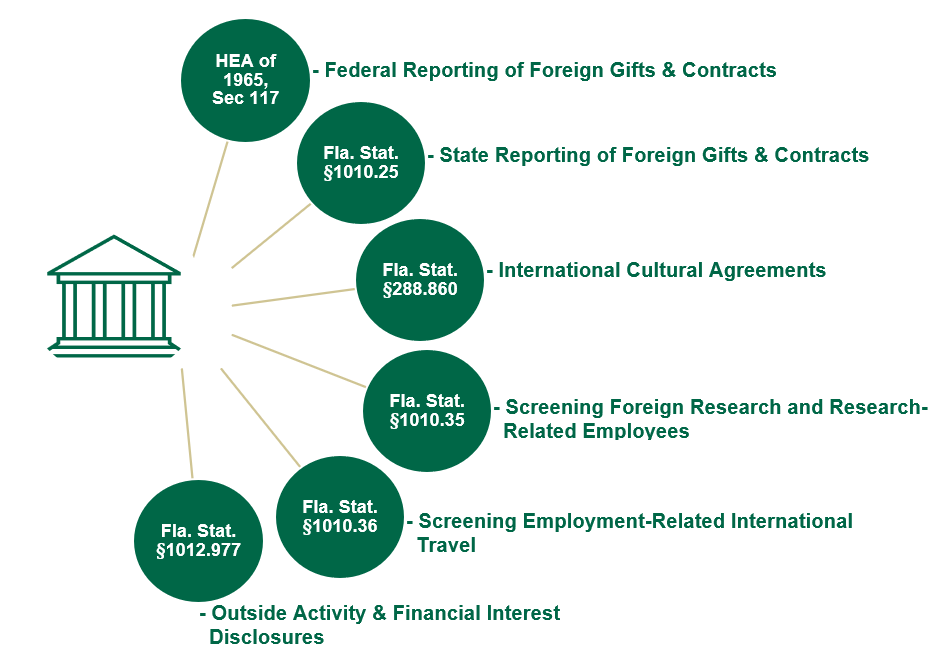
Ideal Practices for Managing Foreign Presents in Organizations
To successfully manage foreign presents within organizations, developing clear policies and procedures is critical. Organizations must start by specifying what makes up an international gift and identifying the relevant reporting requirements to ensure conformity with legal obligations. Routine training sessions can enhance team understanding of these plans, promoting a culture of openness and diligence.
Furthermore, organizations ought to apply a centralized radar to document all international gifts got, consisting of details such as the worth, purpose, and source. report a foreign gift. This system must assist this website in regular evaluations and audits to analyze compliance with established policies

Often Asked Questions
Can Foreign Gifts Impact Organization Choices or Relationships?
International gifts can especially influence service decisions and relationships, typically creating perceived commitments or predispositions. Such influences may affect settlements, partnerships, and general company principles, potentially resulting in conflicts of passion or reputational threats.
What Are the Penalties for Falling Short to Record Foreign Present?
Falling short to report international gifts can lead to substantial fines, including fines, disciplinary activity, or lawful consequences. Disagreement weakens openness and could damage reputations, emphasizing the significance of adhering to reporting policies.
Are There Particular Countries With Stricter Gift Regulations?
Certain nations, like China and Saudi Arabia, apply stricter guidelines on presents, reflecting cultural norms and governmental oversight. These guidelines might affect foreign communications and official statement necessitate mindful factor to consider by people participating in cross-border connections.
How Can Organizations Educate Worker Regarding Foreign Present Plans?
Organizations can educate workers concerning foreign present policies through normal training sessions, detailed manuals, and clear communication networks. Engaging workshops and real-life scenarios help enhance understanding, making sure compliance and understanding of possible honest predicaments.
What Paperwork Is Needed for International Present Reporting?
Documents for international present reporting generally consists of a thorough summary of the gift, its worth, the donor's details, objective of the present, and any kind of appropriate plans or policies regulating the approval and reporting of such gifts.
Foreign presents are items or advantages gotten from international entities, which can consist of federal governments, companies, or people. Receivers have to browse intricate regulations that regulate the coverage and acceptance of international presents, ensuring compliance with both domestic and worldwide regulations. Understanding the definition and implications of international gifts is vital for individuals and organizations to keep honesty and accountability in their ventures with foreign entities. Recipients must browse complicated laws that control the approval of foreign presents, as failing to do so might result in legal consequences, consisting of permissions or penalties. Stopping working to report foreign gifts can result in substantial penalties, consisting of penalties, corrective activity, or legal repercussions.